Why toe alignment affects knees and hips
Toe alignment sounds like a foot-only issue. It isn’t.
When your big toe can’t stabilize and extend well during walking, your body compensates. Those compensations often show up at the knee and hip—especially under repetition (walking, stairs, running, strength training).
The core idea: the big toe is part of your “push-off lever”
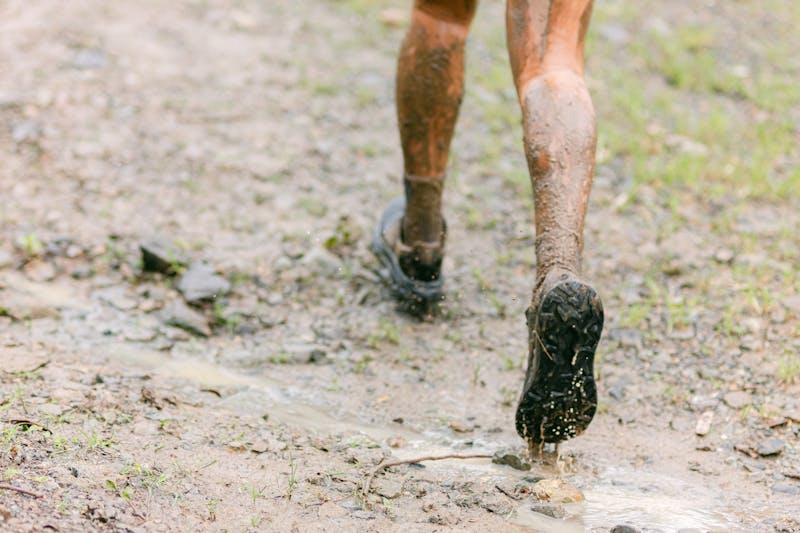
During gait, your foot transitions from absorbing force to creating a stable platform for push-off.
When the big toe can extend and stay planted, it helps your foot:
- load more evenly
- create stability through the arch
- transfer force forward efficiently
When the big toe can’t do that, many people shift push-off to the outside of the foot or collapse inward. Either way: the system changes.
How compensations travel upward
1) Foot collapse or “avoidance”
Common patterns:
- arch collapses under load (too much inward roll)
- push-off happens through the outer edge of the foot
- toes don’t splay naturally when you stand
2) Knee tracking changes
If the foot collapses inward, the shin often rotates and the knee may track inward. Over time, that can increase stress during:
- stairs
- squats
- running
- long walks
3) The hip compensates for lost stability
Your hips stabilize your stride. If stability below is inconsistent, the hip often works harder to keep alignment and balance.
This can show up as:
- lateral hip tightness
- glute fatigue
- hip flexor tension
- low back tightness after walking
A simple self-check you can repeat
The goal is not perfection. It’s to create a baseline.
What “better” looks like (practically)
You’re aiming for:
- a foot that can load without collapsing
- a big toe that participates in push-off
- knees that track consistently
- hips that don’t need to “rescue” stability every step
That’s it. No miracle claims.
A minimum-effective weekly routine
You don’t need to do everything. You need a repeatable baseline.