What 30 Years in Dress Shoes Actually Does to Your Feet
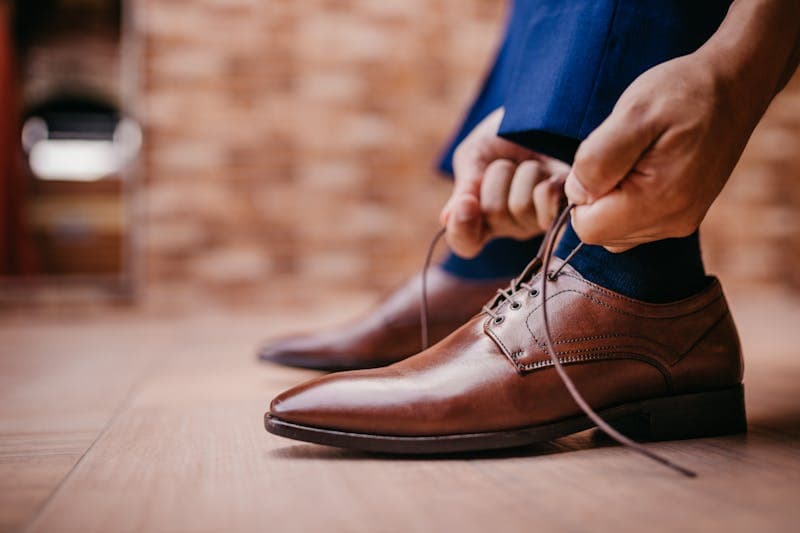
Most men don't choose dress shoes with their feet in mind. They choose them to fit the job and match the suit.
That's completely understandable. It's also why so many men over 40 are quietly dealing with foot problems they don't fully understand.
The point isn't to wear fewer dress shoes. It's to know what a few decades of them does to your feet, and adjust the rest of your day around that.
The Fit Is What Does the Damage
The majority of dress shoes are built on a narrow last, the mold that gives the shoe its shape. That narrow toe box compresses your toes into a shape they were never designed to hold.
Do this for a few hours a day, five days a week, for twenty or thirty years, and things change:
- Toes adapt to compression. Bunions form. The big toe gradually drifts inward.
- Muscles that should stabilize your arch don't fire the way they should.
- Plantar fascia gets stressed in ways that build up quietly, until a morning walk across the kitchen feels like stepping on a nail.
None of this happens overnight. The damage accumulates slowly enough that most men never connect the shoes to the pain.
The Heel Drop Problem
Most dress shoes have a significant heel drop, the difference in height between the heel and the ball of the foot. A typical Oxford runs 15–20mm of heel elevation.
That might not sound like much. Over the course of a day, it adds up.
When your heel is consistently elevated, your calf and Achilles tendon shorten to match. Your body adapts to the position you put it in most. Over time, this tightening changes how your ankle moves, which changes how your knee tracks, which changes how load moves through your hips.
Why 40 Is When It Catches Up
Younger feet are more forgiving. Recovery is faster, tissue is more resilient, and the body compensates well enough that you don't notice the strain.
After 40, that changes:
- Tissue recovery slows. Inflammation that would have cleared in a day sticks around longer.
- Compensation patterns become habits. A slight favoring of one foot, a changed gait, the body adapts, and what once felt normal starts causing problems elsewhere.
- Decades compound. Thirty years of narrow toe boxes and elevated heels is a different proposition than three.
You don't have to abandon dress shoes, but you do have to plan around what they do to your feet.
What to Look For Instead
If you're still buying dress shoes, these factors matter more than you probably know:
Toe box width. Look for wider toe boxes, some dress shoe brands have started accommodating this. Your toes should not be touching the sides of the shoe.
Heel drop. Lower is better for your long-term Achilles and calf health. This is harder to find in traditional dress shoes, but it exists.
Removable insoles. Shoes with removable insoles give you the option to add better support as your needs change.
Rotation. Wearing the same pair every day doesn't give the shoe time to dry and reform. Two or three pairs rotated extends shoe life and gives your foot a slightly different position each day.
What You Can Do Now
If you're already dealing with the consequences of decades in dress shoes, the path forward is consistent and unglamorous.
Stretch daily. Calf stretches, plantar fascia stretches, and toe extension exercises. Not once, daily. Calf and plantar tissue that shortened over years takes weeks of daily loading to lengthen back out.
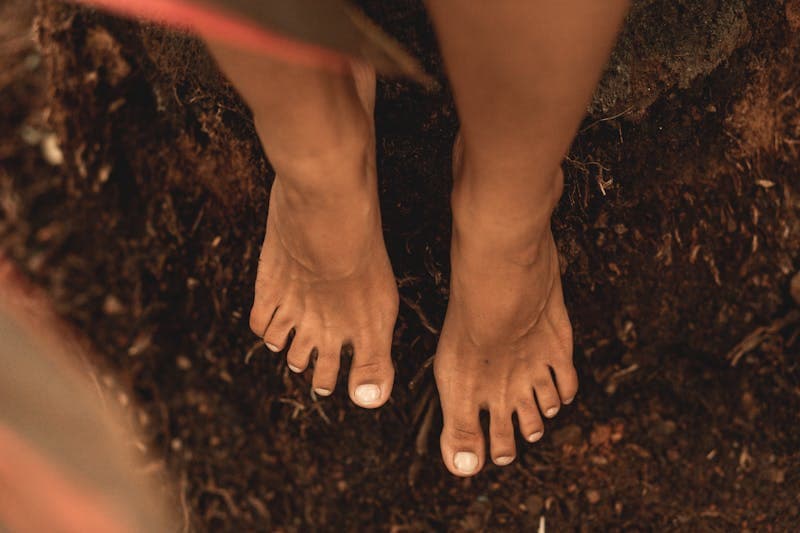
Walk barefoot more. Not on hard concrete for hours, but around your home. Short, frequent barefoot time lets the small muscles of your foot work the way they were designed to.
Check your toe mobility. Stand barefoot and try to lift your big toe without lifting the others. If this is difficult or impossible, your intrinsic foot muscles have likely weakened. Most men who've been in dress shoes for decades fail this on the first try. A few minutes of daily toe-lift practice restores the movement over weeks.
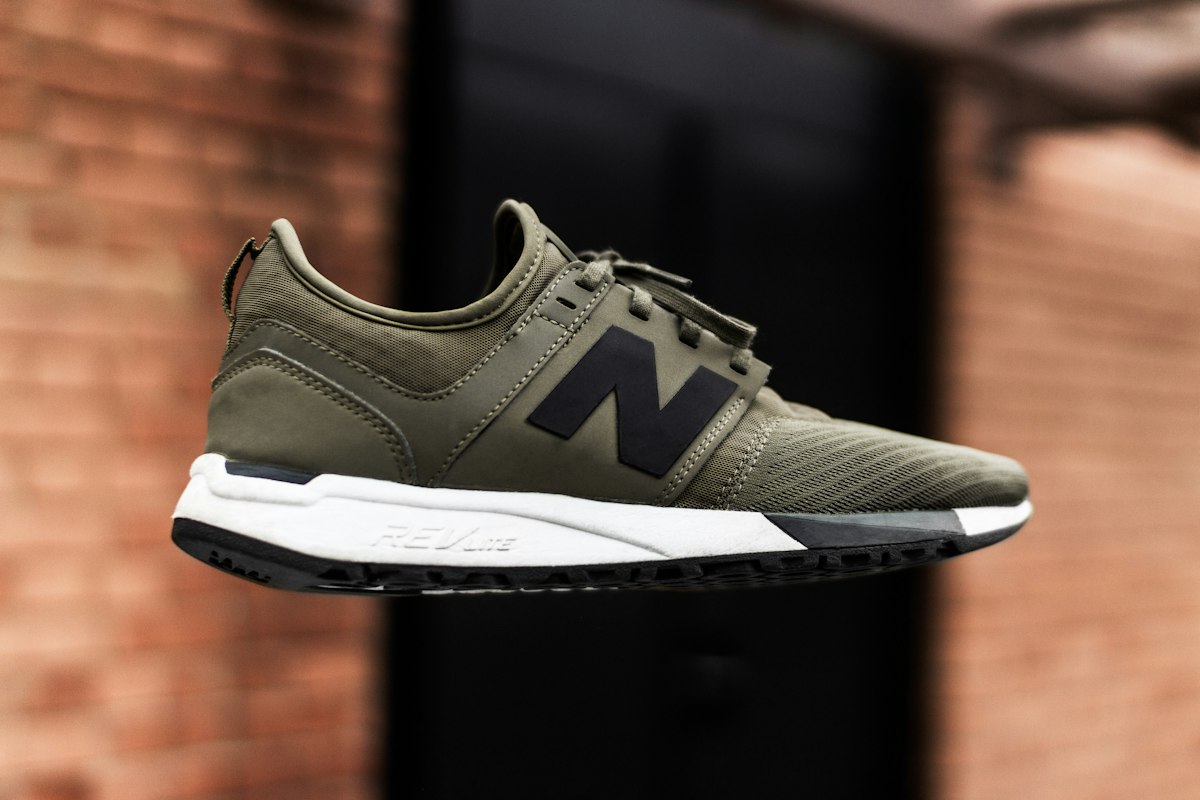
Consider what you wear when you're not at work. The hours outside of the office matter. Shoes with wide toe boxes, minimal heel drop, and flexible soles during your off hours give your feet a chance to recover and strengthen.
Bottom Line
You can keep wearing dress shoes for the rest of your career. The trouble is wearing them for thirty years without adjusting anything else about your day.
If you're over 40 and your feet have been telling you something, soreness, stiffness in the morning, nagging heel pain, this is worth paying attention to. The feedback has been building for a while. It doesn't usually get quieter on its own.