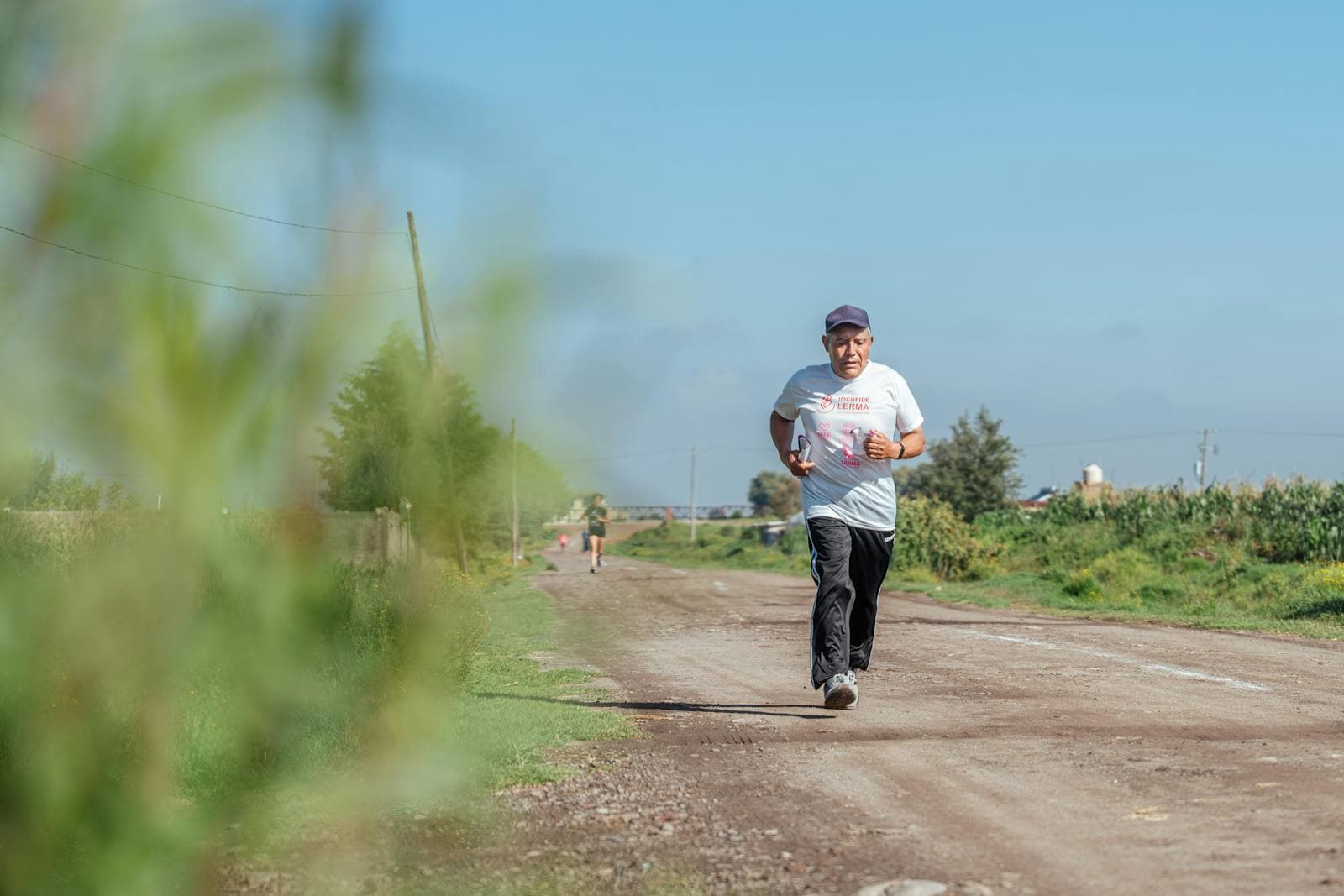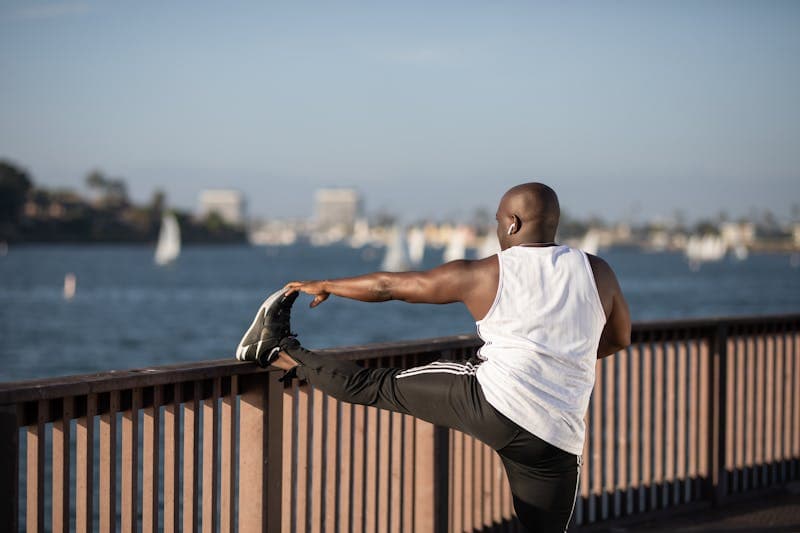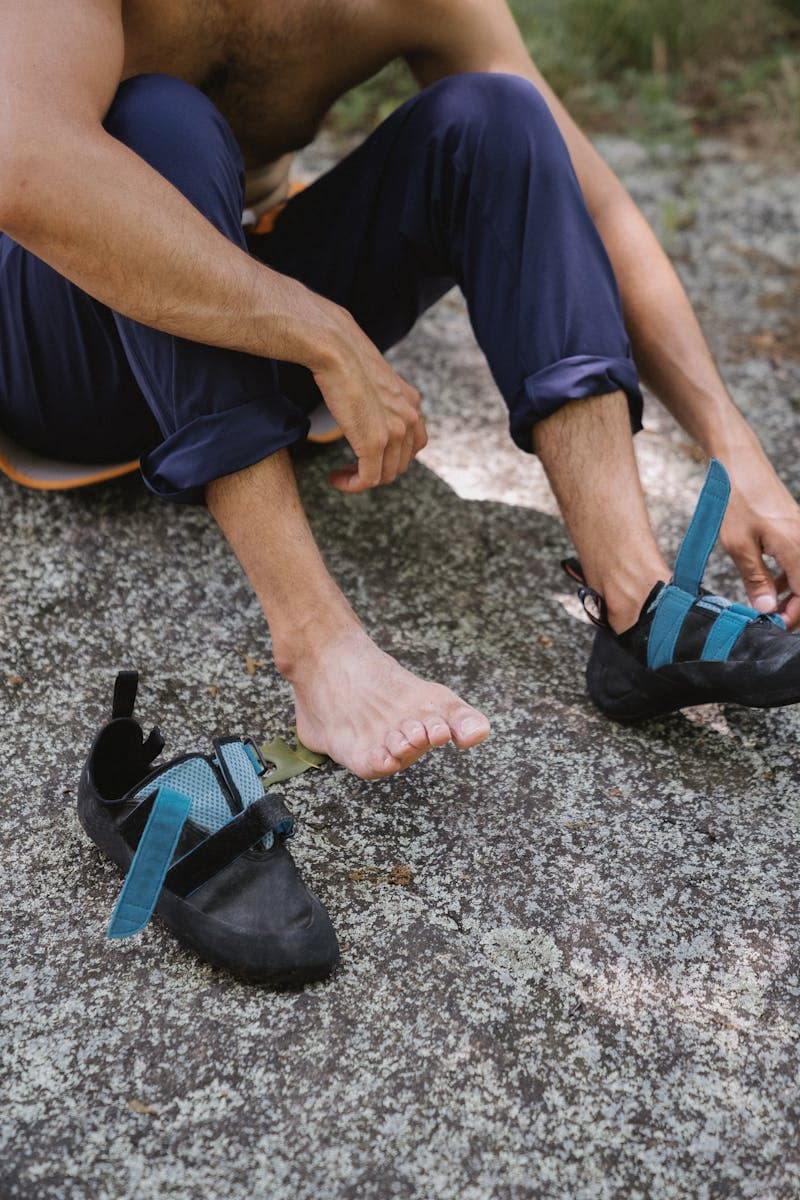

Runners Over 40: Foot Pain That Wasn't There at 30
You ran 30 miles a week through your 20s and 30s with essentially no problems. Somewhere around 42 or 43, running started to hurt. Plantar fasciitis. Then Achilles. Then some vague ball-of-foot ache you can't quite place. Nothing serious enough to stop you; loud enough that every run feels like management.
You didn't get worse at running. Four things changed in your body that make running-over-40 mechanically different from running at 30, and once you understand what changed, most of it becomes manageable.
This piece covers the four foot problems that cluster in runners over 40, why they show up now, the mileage and shoe adjustments that keep you running through them, and the honest line on when to see a sports podiatrist.
If you're not sure whether what you're dealing with is one of the patterns below, the 5-minute self-check sorts it out.
The four things that changed
1. Fat pad thinning. The pads under your heel and forefoot lost 15 to 30 percent of their thickness between 25 and 45. Impact that got absorbed by fat now goes to bone.
2. Tendon collagen turnover slowed. Achilles, plantar fascia, and peroneal tendons synthesize new collagen ~25 percent slower than at 25. Micro-tears from a training run take longer to close.
3. Calf shortening. The gastroc and soleus adapted to whatever the rest of your day now looks like (probably more sitting than at 25). A shortened calf pulls on the plantar fascia at rest, which is why first-steps-in-the-morning pain shows up now.
4. Big-toe extension reduced. Decades of running shoes that (probably) had a narrow toe box means the big toe has less extension available for push-off. The compensation shifts load to metatarsals 2 through 5, which is why metatarsalgia shows up.
Every over-40 runner foot problem below traces to some combination of the four. Address the four; the specific pattern resolves.
The four patterns that cluster after 40
1. Plantar fasciitis
The classic. Sharp first-steps-in-the-morning heel pain that eases within 5 to 10 minutes. Usually starts after a mileage increase, a new shoe, or a period of extra sitting (like desk-heavy work weeks). Full breakdown at morning heel pain and PF exercises for men over 40.
Runner-specific: don't run through pain over 3 out of 10. Continued impact on inflamed fascia turns a 4-week resolution into a 12-week one.
2. Metatarsalgia (ball-of-foot pain)
Burning or aching under the ball of the foot after runs. Fat pad thinning is the direct driver; narrow toe boxes multiply it. Full breakdown at ball-of-foot pain in men over 40.
Runner-specific: metatarsal pad in your training shoe. Placement matters more than product; see the article.
3. Achilles tendinopathy
Pain behind the heel or 2 to 6 cm up the tendon. Worst on hills, first steps after sitting, or the first mile of a run. Almost always driven by calf tightness plus load progression. Full breakdown at Achilles tendon pain in men over 40.
Runner-specific: don't fully rest. Eccentric heel drops (see article) daily for 6 to 12 weeks. Continued reduced-mileage running is better than complete rest.
4. Big-toe joint stiffness (hallux limitus)
Reduced range at the big toe joint. Shows up as reduced push-off power on hills or sprints, sometimes visible bump on top of the joint. Full breakdown at big-toe stiffness in men over 40.
Runner-specific: rocker-sole shoes reduce the extension required per step. A daily mobility drill maintains what range you have.
The mileage rule for over-40 runners
Cap weekly mileage increases at 10 percent. The classic 10 percent rule holds; what changes over 40 is the cost of breaking it.
Under 30, a 20 percent jump in a training week might cause soreness that resolves in 2 to 3 days. Over 40, the same 20 percent jump triggers a plantar fasciitis or Achilles flare in about half of men, and the flare takes 2 to 6 weeks to resolve.
Practical version:
- Current pain-free week at 20 miles → next week max 22.
- Current week at 20 with 2/10 pain → hold at 20, don't add. Address the pain source first.
- Current week at 20 with 4/10 pain → drop to 15 for 2 weeks, then rebuild.
Return-to-run after injury: start at 40 percent of pre-injury weekly mileage, then 10 percent per week. Faster than that fails about 60 percent of over-40 runners.
The shoe rules for over-40 runners
Wider toe box. Non-negotiable if you have any big-toe stiffness or metatarsalgia. Altra, Topo, wider fits of Brooks/Saucony/New Balance.
Firm forefoot rocker. Reduces per-step big-toe extension and offloads the metatarsal heads at push-off. Look for "rocker geometry."
Adequate heel-to-toe drop, but not extreme. 4 to 8 mm is the sweet spot for most over-40 runners. Zero-drop shoes aggravate calf-and-Achilles issues in men who transition from higher drops abruptly; 12 mm drops aggravate metatarsalgia in some men.
Rotate two pairs. Alternating pairs across the week gives foam time to decompress and reduces per-pair wear rate.
Replace at 300 to 500 miles for the max-cushion segment; 400 to 600 for trainers. Old shoes lose 30 to 50 percent of their compression response, and old shoes are one of the top causes of unexplained new pain.
The routine layer
Two routines are non-negotiable for over-40 runners:
Morning: the movement routine. 3 minutes before the first weight-bearing step. Prevents overnight calf-and-fascia shortening from being the thing that starts the flare.
Post-training: the post-workout routine. 8 minutes within 30 minutes of finishing. Prevents accumulation from run to run.
Skipping either doubles the flare rate. Both together give most over-40 runners the recovery window they need to keep running.
When to reduce mileage vs when to see a sports podiatrist
Reduce mileage first if:
- Pain is diffuse rather than localized.
- Pain during a run eases within 5 minutes of continued running.
- Pain the day after resolves within 24 hours.
See a podiatrist if:
- Sharp pain during a run doesn't ease within 5 minutes.
- Pain is localized to one specific spot that gets worse each session (possible stress fracture, needs imaging).
- Pain that wakes you up at night.
- Numbness or tingling.
- Visible swelling.
- Any pain that hasn't responded to 4 weeks of the reduced-mileage + routine protocol.
- Diabetes plus any pain change.
Bring the doctor-prep checklist so the visit stays focused.
The truth about form changes at 40+
Form changes carry risk after 40 that they don't at 25. What you're changing FROM has decades of neuromuscular pattern behind it. Forcing a new form often produces new injuries faster than the old form was producing them.
Small adjustments are OK:
- Slightly higher cadence (170 to 180 steps per minute).
- Less overstriding (foot lands closer to the body).
- Slightly more upright torso.
Deliberate switches are risky:
- Heel-strike to forefoot-strike (usually triggers Achilles and calf flares).
- Adopting minimalist shoes abruptly (metatarsal stress fractures within weeks in some men).
- Adopting "chi running" or other whole-form-changes.
Address shoe fit and mileage first. Form last, if at all.
Bottom line
Running over 40 is a different sport than running at 30. The foot problems that show up cluster in four specific patterns, all traceable to fat pad thinning + slowed tendon turnover + calf shortening + reduced big-toe extension.
The mileage cap (10 percent), the shoe rules (wider toe box, firm rocker, replaced on schedule), and the two routines (morning stretch, post-workout recovery) resolve most of the four patterns without stopping running.
The men who don't run past 50 usually stopped because they tried to run through pain over 3 out of 10 for months. The men who do run past 50 caught the pattern at 43 and adjusted.
Pick the specific guide for the pattern you're dealing with, or run the 5-minute self-check if you're not sure.