Pain on Top of the Foot: Laces, Tendon, Stress Fracture, or Arthritis
Pain on top of the foot has a short list of causes, and most give themselves away by where they sit and what makes them worse. An ache in a line toward the toes that flares when you cinch the laces is one problem. A sore spot on one bone that hurts more with every step is another. A hard bump that has started to rub is a third.
Most men search this after a couple of weeks of pain with no obvious injury. No injury usually means tendon, laces, or arthritis, which respond to shoe changes and rest. A jump in mileage or hours on your feet points toward a stress fracture, which responds to nothing but time off the bone. A twist with bruising on the sole is a same-week appointment. This guide walks the differential in the order a podiatrist would.
The tendon and the laces
The tendons. Four extensor tendons run over the top of the foot from the shin to the toes, right under the tongue of your shoe. Irritate them and you get extensor tendinitis (also spelled tendonitis): a dull ache along the top of the foot, sometimes mild swelling, worse when you push off, often worst first thing in the morning.
What sets it off. Laces tied too tight, because the tendons sit between the knot and the bone with nothing to cushion them. A stiff new tongue, hills, a jump in miles or standing hours, and a lower-heeled shoe all load the extensors more than they are used to.
The lace fixes. Loosen everything first and give it two or three days. If the ache lives under the knot, skip the eyelet over the sore spot, or run the laces straight up on either side of it so there is a window with no crossing lace. A tongue pad, a thin foam wedge stuck under the tongue, spreads the pressure and keeps the heel seated so you do not have to cinch the laces to hold the foot. Add ice after activity and two weeks off hills; most cases settle once the pressure is off. If the tendon feels crunchy when you move the toes, get it looked at.
The bump that rubs: midfoot arthritis and the bone spur
The bump. The midfoot is a cluster of small bones under the arch, and the joints between them are built to move very little. When the cartilage wears, the bone edges grow, and on the top of the foot that shows up as a hard ridge under the skin. That is a bone spur, sitting exactly where the laces cross.
Who gets it. Midfoot arthritis is common after 50, and earlier in men who once dropped something on the foot or broke it and walked it off; the injury can be years before the arthritis. The pain is a deep ache in the middle of the foot when standing or walking, worse after a day on your feet.
What helps. The spur is rarely the problem; the shoe pressing on it is, along with the joint under it that does not want to move. A stiff or rocker sole reduces motion at the midfoot, a firm insole spreads the load, and the lacing changes above take the lace off the bump. A podiatrist can confirm it on a standing X-ray and may offer a steroid injection for a flare.
The bone that needs time: metatarsal stress fracture
The pattern. The metatarsals are the five long bones between the midfoot and the toes, and the second and third are the ones that crack under repetitive load. The tell is point tenderness: press along the top of each metatarsal with a thumb, and one spot on one bone hurts sharply while the rest do not. There is often swelling on the top of the foot, and the pain builds with each step, eases when you sit, and comes back sooner every day. Nearly every case follows a change: more miles, more hours standing, a return to running after a layoff. The runners over 40 guide covers the training side.
The hop test. Hopping on the sore foot and getting sharp pain at the spot is a rough sign clinics use. It is not proof: the AAFP review found it also positive in roughly half of people with shin splints, and it has never been formally validated.
Why the X-ray can be normal. A fresh stress fracture is too fine to show on a plain film. Early X-rays catch only a small fraction, and the odds improve to somewhere between a third and two thirds after two to three weeks, once the bone lays down callus around the crack. A normal X-ray in week one does not clear you. The podiatrist repeats the film in two to three weeks or orders an MRI, which shows the bone reacting right away.
The six weeks. Healing runs about four to twelve weeks from the day you stop loading the bone, with six the usual target for a low-risk metatarsal. That means a stiff-soled shoe or a walking boot, no running, and a return that is pain-guided rather than date-driven. The base of the fifth metatarsal, on the outer edge, heals slowly because of poor blood supply and is often held out twelve weeks.
Four less common causes
Gout. Gout can land in the midfoot as well as the big toe. It arrives fast, often overnight, with a hot, red, swollen, tender patch on the top of the foot and no injury to explain it. The gout guide covers the flare.
Ganglion cyst. A soft, rubbery lump from a tendon sheath or joint capsule that may change size and hurts only when the shoe presses on it. Benign, and it often shrinks on its own. Do not hit it with a book. A podiatrist can drain or remove it if it keeps rubbing.
Nerve pain. The deep peroneal nerve crosses the top of the foot under a strap of tissue at the front of the ankle and ends between the first and second toes. Tight shoes, a high-cut boot, or a bone spur pressing on it produce burning on top of the foot and numbness or tingling in that web space. The compression usually comes from outside, so the first move is the shoe. The numbness and tingling guide goes further.
Lisfranc injury. A twist and fall or a stumble off a curb can sprain or dislocate the joints that connect the midfoot to the metatarsals. It looks like a bad sprain, but the sign that sets it apart is bruising on the sole under the arch; a missed one leads to arch collapse and arthritis. Midfoot swelling or inability to bear weight after a twist means X-rays, often a CT, the same week.
What a podiatrist checks
Mostly hands and history. Expect the clinician to press along each metatarsal and midfoot joint for the one spot that hurts, load the extensor tendons against resistance, look for a bump, a lump, or bruising, tap over the nerve at the front of the ankle, and ask what changed in your shoes, miles, and work in the month before the pain. A standing X-ray comes first; if the story fits a stress fracture and the film is clean, expect a repeat film or an MRI.
What to do this week
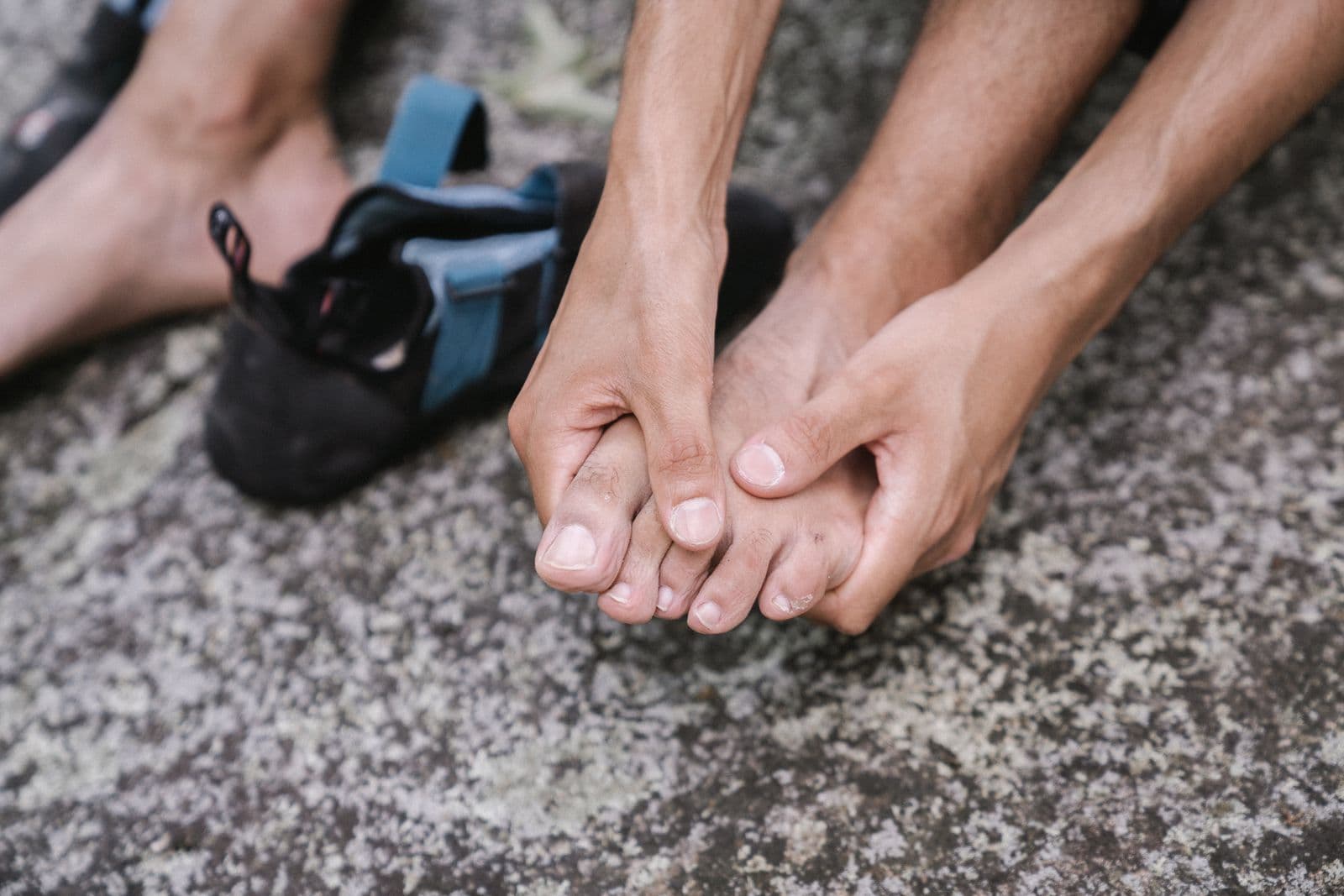
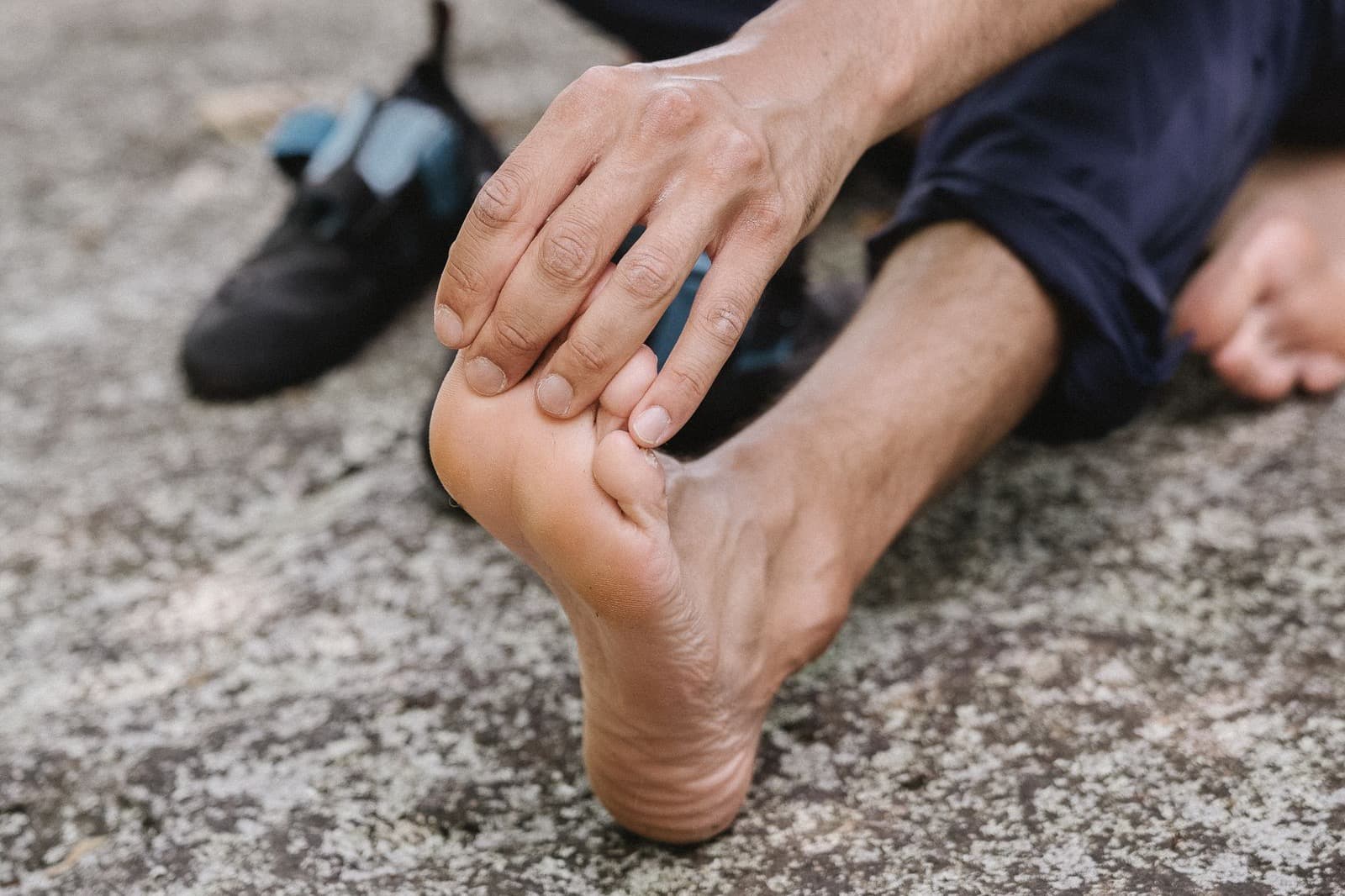
- Map the pain. Press along each bone on top of the foot with a thumb. One sharp spot on one bone points to a stress fracture; a line of ache along a tendon points to the laces.
- Loosen the laces, then skip the eyelet over the sore spot. Give it three days. If the pain drops, you have your answer.
- Cut the load. Drop hills, stairs, and running for two weeks, and sit whenever the job allows.
- Write down what changed in shoes, miles, and hours in the four weeks before the pain, and bring it with the doctor-prep checklist.
- Book the visit if there is point tenderness on one bone, a hot red joint, a new lump, or the lace change does nothing in a week.
When it's not a wait-and-see
Same-week appointment, or same day where noted, if any of these apply:
- You can't bear weight on the foot.
- Bruising on the sole after a twist or fall.
- Swelling plus point tenderness on one bone after a jump in mileage or standing hours.
- You have diabetes and the foot is hot, red, or swollen, with or without pain. Charcot foot is a same-day call; the diabetic foot care guide explains why.
- A red, hot, swollen joint with a fever or chills. That can be an infected joint rather than gout, and it is an emergency.
Bottom line
An ache along the top of the foot that tracks the laces is the tendon, and the lacing fixes settle most of it in a few weeks. A hard bump that rubs, after 50 or after an old injury, is midfoot arthritis, and the shoe matters more than the spur. One tender spot on one bone after a jump in miles or hours is a stress fracture until imaging says otherwise. Get the shoe right first, because the pair that squeezes the tendon also rubs the spur and presses the nerve; the dress shoes guide shows what to change.